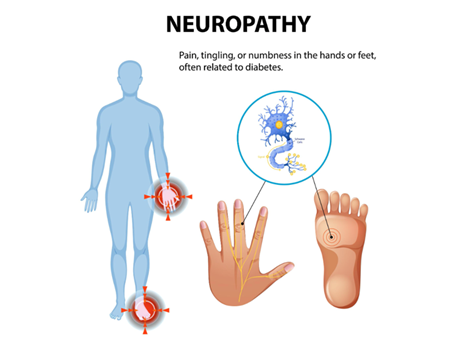
If you have been experiencing numbness, tingling, burning, or weakness in your feet or hands, you are not alone — and you are not imagining it. These sensations are among the most common reasons patients across the Rio Grande Valley visit a neurologist, and they often point to a condition called neuropathy.
At Neuro Rehab & Pain Institute in Edinburg, TX, Dr. Priti M. Manohar evaluates and treats neuropathy in patients from across the RGV, including McAllen, Pharr, Mission, Weslaco, Harlingen, and Brownsville. Understanding what neuropathy is — and what can be done about it — is the first step toward relief.
What Is Neuropathy?
Neuropathy, or more precisely peripheral neuropathy, refers to damage or dysfunction of the peripheral nerves — the nerves that carry signals between the brain and spinal cord and the rest of the body, including the feet, legs, hands, and arms. When these nerves are damaged, they send abnormal signals: sometimes too many (producing pain or burning), sometimes too few (producing numbness or weakness).
The peripheral nervous system controls three types of nerve function: sensory nerves (which carry information about touch, pain, and temperature), motor nerves (which control muscle movement), and autonomic nerves (which regulate functions like heart rate, blood pressure, and digestion). Neuropathy can affect one or all three types, which is why symptoms can vary so widely from patient to patient.
Why Is Neuropathy So Common in the Rio Grande Valley?
Hidalgo County and the broader RGV region have some of the highest rates of diabetes in Texas — and diabetes is by far the most common cause of peripheral neuropathy. Diabetic neuropathy develops when elevated blood sugar levels damage the blood vessels that supply the peripheral nerves, gradually causing those nerves to malfunction or die.
It is estimated that up to 50 percent of people with diabetes will develop some form of peripheral neuropathy during their lifetime. For many RGV patients, neuropathy is the first sign that their blood sugar has been poorly controlled for a long period of time — even in patients who did not know they had diabetes.
Diabetes is not the only cause, however. Other common causes of neuropathy include:
- Vitamin B12 deficiency, which is extremely common and often goes undiagnosed
- Thyroid disorders
- Kidney disease
- Autoimmune conditions such as lupus or rheumatoid arthritis
- Alcohol use disorder
- Certain medications, including some chemotherapy drugs
- Compressed or injured nerves (such as carpal tunnel syndrome or radiculopathy)
- Inherited conditions such as Charcot-Marie-Tooth disease
In some cases, no clear cause is found — a condition called idiopathic neuropathy. Even in these cases, treatment and symptom management are possible.
What Are the Symptoms of Neuropathy?
Neuropathy symptoms vary depending on which nerves are affected and how severely. The most reported symptoms include:
- Numbness, tingling, or a ‘pins and needles’ sensation — usually starting in the feet and moving upward
- Burning pain, particularly at night
- Sharp, stabbing, or electric-shock-like sensations
- Extreme sensitivity to touch — even a bedsheet can feel painful
- Weakness in the feet, legs, or hands
- Loss of balance or coordination, leading to falls
- Changes in blood pressure or heart rate (if autonomic nerves are involved)
Many patients describe the sensation as wearing socks that are not there or feeling like their feet are asleep even when they are not. If these descriptions sound familiar, it is worth speaking with a neurologist.
How Does a Neurologist Diagnose Neuropathy?
At NRPI, Dr. Manohar takes a thorough, individualized approach to diagnosing neuropathy. The evaluation typically includes:
- A detailed medical history and review of your symptoms, medications, and family history
- A comprehensive neurological examination, including testing of reflexes, sensation, coordination, and muscle strength
- Blood work to check for common causes such as diabetes, vitamin deficiencies, thyroid dysfunction, and kidney disease
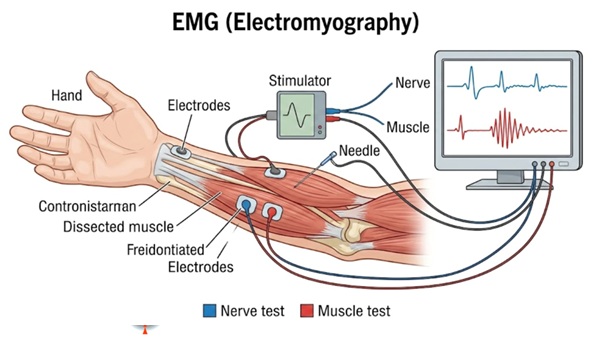
- Electrodiagnostic testing — specifically Electromyography (EMG) and Nerve Conduction Studies (NCS), which measure how well your peripheral nerves are functioning
EMG and NCS are performed in our Edinburg office and are among the most important tools for confirming a neuropathy diagnosis and identifying which nerves are affected. These tests are non-invasive and provide objective data that guides treatment decisions.
What Can a Neurologist Do About Neuropathy?
Treatment for neuropathy depends on the underlying cause, the severity of nerve damage, and the specific symptoms you are experiencing. Dr. Manohar will develop a personalized treatment plan that may include:
- Treating the underlying cause — if neuropathy is caused by diabetes, optimizing blood sugar control is the most important step; if caused by a vitamin deficiency, supplementation can often produce meaningful improvement
- Medication for nerve pain — several medications can help reduce the burning, shooting, or electric pain of neuropathy, including certain antidepressants and anticonvulsants prescribed at low doses for their nerve-calming properties
- Physical therapy — strengthening exercises and balance training can help compensate for muscle weakness and reduce fall risk
- Foot care and injury prevention — patients with diabetic neuropathy often lose protective sensation in their feet, making regular foot inspections and proper footwear critical to preventing complications
- Telehealth follow-up — for patients who have difficulty traveling to our Edinburg office, Dr. Manohar offers telehealth appointments for ongoing neuropathy management
Frequently Asked Questions About Neuropathy
Can neuropathy be cured?
It depends on the cause. When neuropathy results from a reversible condition — such as a vitamin B12 deficiency or hypothyroidism — treating that condition can lead to significant improvement or even full recovery. When caused by long-standing diabetes or inherited conditions, the focus is on slowing progression and managing symptoms. Early evaluation is important because nerve damage that is caught early is more likely to respond to treatment.
Is neuropathy dangerous?
Neuropathy itself is not immediately life-threatening, but its complications can be serious. Patients who lose sensation in their feet are at high risk for unnoticed wounds that can become infected — a leading cause of amputation in diabetic patients. Loss of balance increases the risk of falls and fractures. Autonomic neuropathy can affect heart rate and blood pressure regulation. These risks make early diagnosis and ongoing management important.
Do I need a referral to see a neurologist for neuropathy?
In most cases, you do not need a referral to schedule an appointment at NRPI. However, some insurance plans may require one — we recommend checking with your insurance company. Our team is happy to help clarify the process when you call.
Does NRPI accept my insurance?
NRPI accepts most major insurance plans. Please visit our insurance page or call our office to confirm your specific coverage before your appointment.
Schedule Your Free Consultation at Our Great Neck Office
If you are in Edinburg, McAllen, Pharr, Mission, Weslaco, Harlingen, Rio Grande City, or Brownsville and you are experiencing numbness, tingling, burning, or weakness in your feet or hands, we encourage you to schedule an evaluation with Dr. Manohar. Neuropathy is very common in South Texas — and very treatable when caught early.
Call us: (956) 683-9300