Sleep apnea occurs when breathing repeatedly slows down or stops during sleep, which can lead to poor sleep quality and increase the risk of high blood pressure, heart disease, stroke, diabetes, and daytime fatigue.
The recorded data is reviewed by a sleep specialist. If sleep apnea is diagnosed, your provider will discuss treatment options, which may include lifestyle changes, weight management, oral appliances, or positive airway pressure therapy (CPAP or APAP).
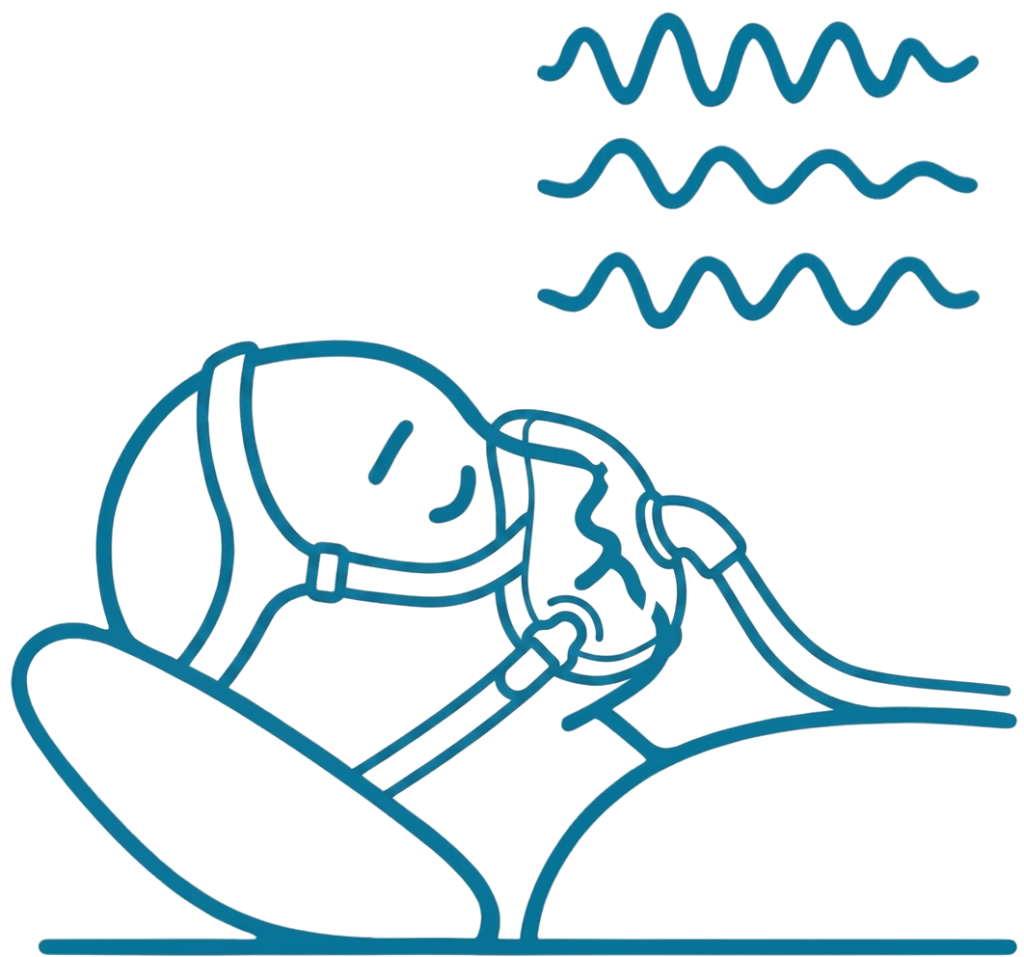
CPAP (Continuous Positive Airway Pressure) and APAP (Automatic Positive Airway Pressure) machines are commonly used to treat obstructive sleep apnea.
These devices gently deliver air through a mask worn during sleep to keep the airway open and prevent breathing interruptions.
If you snore, feel tired during the day, or have been told that you stop breathing during sleep, a home sleep study can help determine whether sleep apnea is the cause. Early diagnosis and treatment can significantly improve sleep quality, overall health, and daily well-being.