
When most people think of a seizure, they often picture a dramatic event involving full-body convulsions. While these types of seizures are certainly real, they represent only a part of the complex spectrum of seizure activity. In reality, many seizures manifest in far more subtle ways, often going unrecognized or being mistaken for other common behaviors. For families in the Rio Grande Valley, understanding these less obvious signs is crucial for early detection and timely medical intervention. At NRPI in Edinburg, TX, our goal is to empower you with the knowledge to recognize these nuanced indicators, ensuring comprehensive care for your loved ones.
Understanding Seizures: More Than Just Convulsions
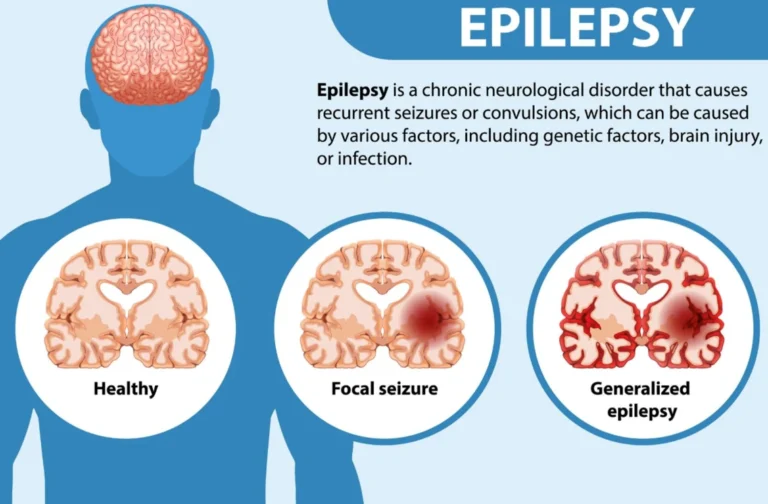
A seizure is a brief, uncontrolled disturbance in the brain’s electrical activity. This electrical ‘storm’ can lead to a wide range of symptoms, depending on which part of the brain is affected. The common misconception is that all seizures involve falling to the ground and shaking.
However, many seizures, particularly focal seizures, can be very localized and present with symptoms that are easily overlooked. Recognizing that a seizure isn’t always a dramatic event is the first step toward understanding the broader picture of neurological health. It’s about paying close attention to changes in behavior, sensation, or awareness that might seem minor but could signal something more significant.
The Spectrum of Seizure Activity: Subtle Signs to Watch For
Subtle seizures can be challenging to identify, but knowing what to look for can make a significant difference. Here are some common, less obvious signs that every family should be aware of:
- Brief Staring Spells: Often mistaken for daydreaming or inattention, especially in children. The person might suddenly stop what they’re doing, stare blankly for a few seconds, and then resume their activity with no memory of the interruption. This can be a sign of an absence seizure (formerly petit mal).
- Repetitive, Non-Purposeful Movements (Automatisms): These can include lip smacking, chewing, fumbling with clothes, picking at the air, walking in circles, or repeating words or phrases. The individual may appear confused or unresponsive during these episodes, which are common in focal impaired awareness seizures (formerly complex partial seizures).
- Sudden Changes in Emotion or Sensation: An unexpected rush of fear, joy, anger, or even a sense of déjà vu (a feeling of having experienced something before) can sometimes precede or be part of a seizure. Other sensory changes might include strange smells, tastes, or tingling sensations without an apparent cause. These are characteristic of focal aware seizures (formerly simple partial seizures).
- Brief Moments of Confusion or Unresponsiveness: The person might seem ‘out of it’ for a short period, struggle to respond to questions, or appear disoriented, even if they don’t lose consciousness or fall. This can be a subtle indicator of a focal seizure.
- Minor Muscle Twitching or Stiffening: Localized twitching of an arm, leg, or part of the face, or a sudden stiffening of a limb that lasts for a few seconds, can also be a subtle seizure manifestation. These might be dismissed as muscle spasms or tics.
Observing these subtle changes, especially if they occur repeatedly or in clusters, is vital. Keeping a detailed record of what you observe, including the time, duration, and any accompanying symptoms, can be incredibly helpful for a neurologist in making an accurate diagnosis.
When to Seek Professional Guidance
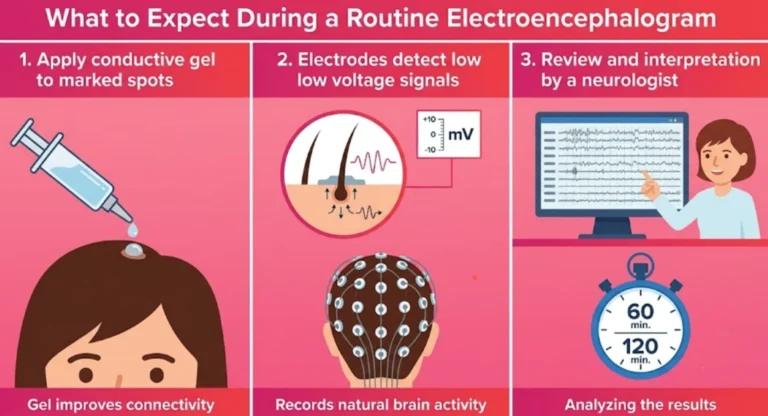
If you or a loved one experiences any of these subtle signs, or if you have any concerns about potential seizure activity, it’s essential to consult with a neurologist. Early diagnosis and intervention are key to managing seizures effectively and improving quality of life. A neurologist can perform a thorough evaluation, which may include reviewing medical history, conducting neurological exams, and ordering diagnostic tests such as an electroencephalogram (EEG) to measure brain activity.
At NRPI, we specialize in diagnosing and treating a wide range of neurological conditions, including epilepsy. We are dedicated to providing personalized, patient-centered care right here in Edinburg, TX, serving the entire RGV community. Don’t hesitate to seek expert medical advice if you suspect a seizure.
This article is for general educational and informational purposes and isn’t a substitute for personalized medical advice, diagnosis, or treatment. Seizures and epilepsy can affect individuals differently, and treatment and management should be determined with a qualified healthcare professional based on each person’s individual circumstances. If you have concerns about seizures, epilepsy, medications, or your neurological health, please consult a neurologist or other qualified healthcare provider. If you or someone else is experiencing a medical emergency, seek immediate medical attention or call 911.