If your doctor or neurologist has recommended an EEG — an electroencephalogram — you are probably curious about what it involves. The name sounds complex, and for many patients the idea of a brain test is anxiety-provoking. The good news: an EEG is one of the most comfortable and completely non-invasive neurological tests available. Nothing enters your body, nothing causes pain, and the entire procedure usually takes under an hour.
At Neuro Rehab & Pain Institute in Edinburg, TX, Dr. Priti M. Manohar offers three types of EEG for patients across the Rio Grande Valley. This guide explains what an EEG measures, why it might be ordered, what you will experience during the test, and what the results can reveal.
What Is an EEG?
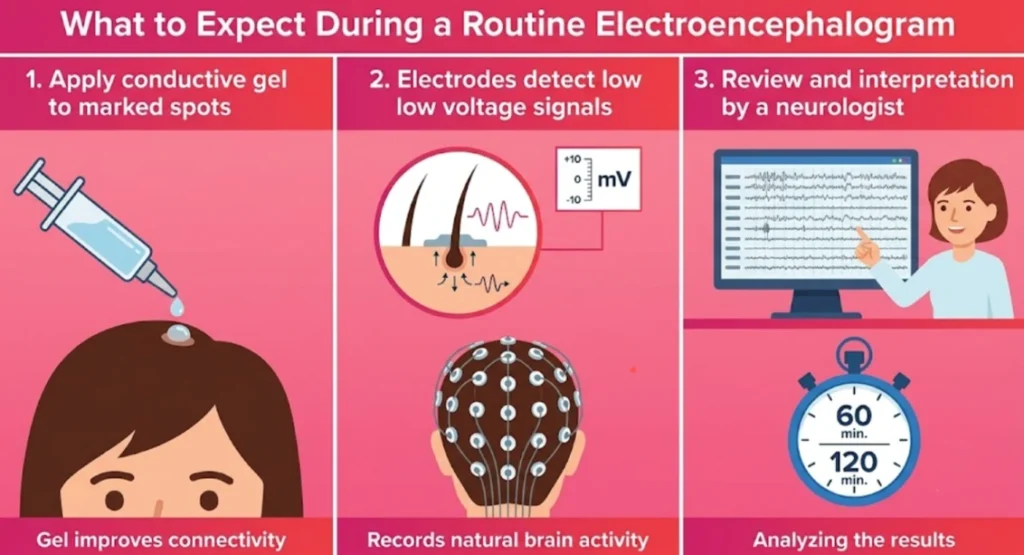
An electroencephalogram (EEG) is a test that measures and records the electrical activity of the brain. Your brain is constantly generating electrical impulses as neurons communicate with each other — even during sleep. An EEG detects these impulses through small sensors called electrodes that are placed on the scalp.
The electrodes do not deliver electricity to you — they only read the electrical signals already being produced by your brain and transmit them to a computer that displays them as wavy lines. A neurologist trained in EEG interpretation then analyzes those patterns for abnormalities.
Why Would a Doctor Order an EEG?
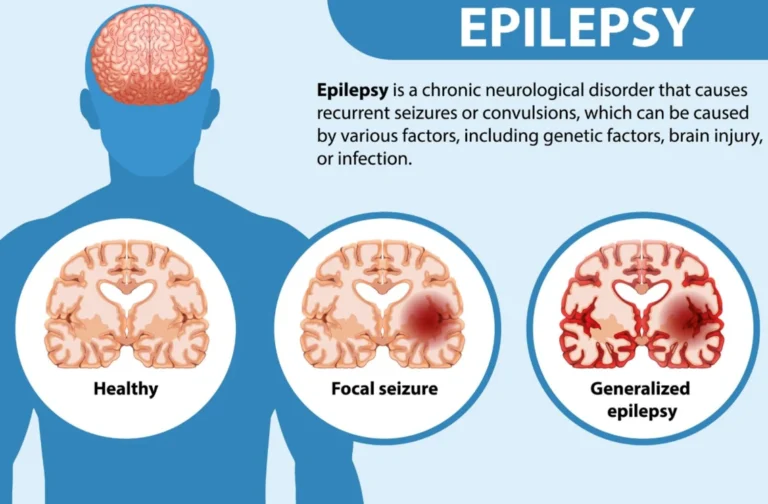
The most common reason for an EEG is to evaluate seizures or epilepsy — but it is not the only reason. An EEG may be ordered to:
- Diagnose epilepsy or classify the type of epilepsy a patient has
- Evaluate unexplained episodes of loss of consciousness, staring, confusion, or abnormal movements
- Monitor the effectiveness of anti-seizure medications
- Assess brain function in patients with encephalopathy (altered mental state)
- Evaluate sleep disorders in some cases
- Investigate headaches or other neurological symptoms when other causes have been ruled out
The EEG does not diagnose conditions other than epilepsy with the same reliability, but it provides valuable information about the overall electrical health and organization of the brain.
The Three Types of EEG Available at NRPI
NRPI offers three different EEG formats to match the specific clinical question your neurologist is trying to answer:
Standard EEG: Performed in our Edinburg office, a standard EEG typically lasts 20 to 40 minutes. Electrodes are applied to your scalp using a water-soluble paste, and you relax in a reclining chair or lie on a table while the recording is made. You may be asked to breathe deeply and rapidly for a few minutes, and a strobe light may be used briefly — these are standard activation procedures that can bring out certain types of abnormal brain activity.
Ambulatory EEG (AMB EEG): An ambulatory EEG records your brain activity over an extended period — typically 24 to 72 hours — while you go about your normal daily life. Electrodes are applied and connected to a small portable recorder that you wear. This type of EEG is particularly useful when a standard EEG is normal but seizures or suspicious episodes are still occurring, or when the doctor wants to capture an actual event on recording.
Video EEG: A video EEG combines continuous EEG recording with synchronized video monitoring. This is typically performed in a hospital or specialized clinic setting when very precise information about seizure type, origin, or surgical candidacy is needed. Dr. Manohar will discuss whether video EEG monitoring is appropriate for your situation.
What to Expect During Your EEG at NRPI
Here is a step-by-step picture of what a standard EEG appointment at NRPI looks like:
- Arrival: You will check in at our Edinburg office. The EEG technician will explain the procedure before beginning.
- Electrode placement: The technician will measure your scalp and apply small metal electrodes using a gel or paste. This takes approximately 20 minutes and is entirely painless. The electrodes will not pull or damage your hair.
- Recording: You will sit or lie comfortably while the EEG records your brain activity for 20 to 40 minutes. You will be asked to relax and remain as still as possible. You may be asked to open and close your eyes, breathe deeply, or look at a flashing light briefly.
- Removal: The electrodes are removed and the gel is wiped from your scalp. You can wash your hair normally afterward.
- Results: The EEG recording is interpreted by Dr. Manohar, and the results are typically available within a few days. She will discuss the findings with you at a follow-up appointment.
How to Prepare for Your EEG
- Wash your hair the night before or the morning of the test — do not apply conditioner, styling products, or oils
- Get a normal amount of sleep the night before (unless your doctor specifically asks you to be sleep-deprived, which is sometimes requested to activate certain abnormalities)
- Take your regular medications as prescribed unless Dr. Manohar has given you different instructions
- Avoid caffeine on the morning of the test if possible
- Eat a normal meal before the test — low blood sugar can affect EEG results
Frequently Asked Questions About EEG
Is an EEG painful?
No. An EEG is completely painless. The electrode application uses a harmless gel, and nothing enters the body. Some patients find the electrode placement slightly tedious, but there is no discomfort.
Can an EEG read my thoughts?
No. An EEG measures the overall electrical patterns of the brain — it cannot detect individual thoughts, memories, or emotions. It reads patterns of brain wave activity, not mental content.
What does an abnormal EEG mean?
An abnormal EEG does not automatically mean you have epilepsy. There are many types of EEG abnormalities, and their significance depends on the clinical context. Dr. Manohar will interpret your results in the context of your full medical history and symptoms.
What if my EEG is normal but I still have seizures?
A normal EEG does not rule out epilepsy. Many patients with epilepsy have normal interictal (between-seizure) EEGs, especially if the seizure focus is deep in the brain or in an area not easily detected by scalp electrodes. In these cases, an ambulatory EEG or extended monitoring may capture abnormal activity that a standard EEG did not.
Serving EEG Patients Across the Rio Grande Valley
NRPI offers standard and ambulatory EEG services in our Edinburg, TX office, serving patients from McAllen, Pharr, Mission, Weslaco, Harlingen, Rio Grande City, Brownsville, and across the Rio Grande Valley. If you have been referred for an EEG — or if you are experiencing episodes that may be seizures — we invite you to schedule a consultation with Dr. Manohar.
Call us: (956) 683-9300