If your doctor has recommended an EMG — Electromyography — you may have questions. What exactly does this test measure? Will it hurt? What will the results tell us? At Neuro Rehab & Pain Institute in Edinburg, TX, Dr. Priti M. Manohar performs EMG and Nerve Conduction Studies (NCS) for patients across the Rio Grande Valley, and this guide will walk you through everything you need to know before your appointment.
What Is an EMG?
Electromyography (EMG) is a diagnostic test that measures the electrical activity of muscles and the nerves that control them. It is almost always performed alongside a Nerve Conduction Study (NCS), and the two tests are often referred to together as an EMG/NCS.
These tests help neurologists evaluate the health and function of the peripheral nervous system — the network of nerves that extends from the spine out to the muscles of the arms, legs, hands, and feet. When something goes wrong in this system, whether due to nerve damage, muscle disease, or a problem where the nerve meets the muscle, the EMG and NCS can detect it and help pinpoint the cause.
Why Would a Doctor Order an EMG?
An EMG/NCS is typically ordered when a patient has symptoms that suggest a nerve or muscle problem. Common reasons include:
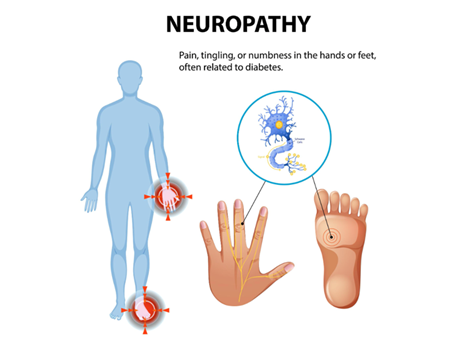
- Numbness, tingling, or burning in the hands, arms, feet, or legs — possibly neuropathy
- Weakness in one or more limbs
- Pain that radiates from the neck or back down into an arm or leg — possibly radiculopathy or a pinched nerve
- Suspected carpal tunnel syndrome — compression of the median nerve at the wrist
- Muscle cramps, twitching, or wasting
- Evaluating the extent of nerve damage after an injury
- Monitoring the progress of a known nerve or muscle condition over time
The test gives Dr. Manohar objective, measurable data about how well your nerves and muscles are functioning — information that a physical exam alone cannot provide.
The Two Parts of the Test: NCS and EMG
An EMG/NCS study has two distinct components, and it helps to understand each one separately.
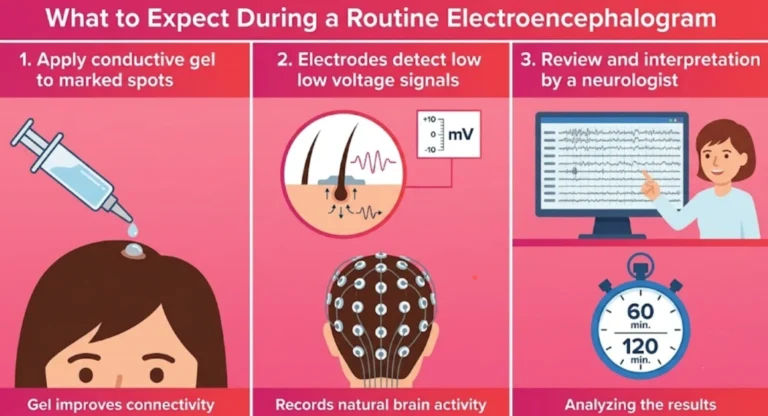
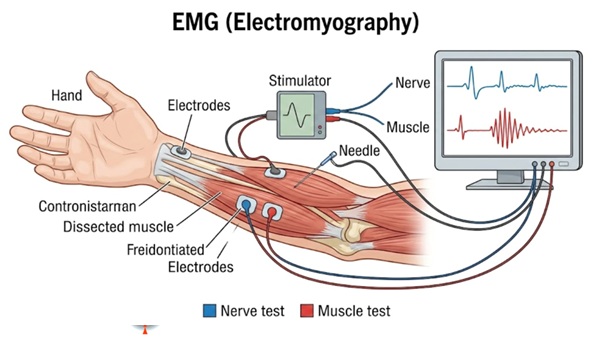
Part 1 — Nerve Conduction Study (NCS): The NCS measures how fast and how strongly electrical signals travel through specific nerves. Small electrode patches are placed on the skin, and a mild electrical stimulus is delivered to one point on a nerve while the response is recorded at another point. You will feel a brief buzzing or tapping sensation — it is similar to a small static electricity shock. The test is repeated for multiple nerves, which typically takes 20 to 40 minutes. There is no lasting discomfort after the test.
Part 2 — Electromyography (EMG): The EMG measures the electrical activity inside the muscles themselves. A very thin needle electrode is inserted into specific muscles, one at a time. You will be asked to relax and then gently contract the muscle while Dr. Manohar listens to and records the electrical signals. The needle insertion causes brief, mild discomfort — similar to an acupuncture needle — that resolves immediately when the needle is removed. Most patients tolerate this part well, especially once they understand what to expect.
Will It Hurt?
This is the question we hear most often. The honest answer is that the NCS portion involves mild electrical stimulation that most patients describe as a quick buzz or snap — startling more than painful. The EMG needle portion involves brief muscle discomfort that varies from person to person. Most patients rate it as mild to moderate and tolerable. The test is generally completed within 45 to 60 minutes, and there are no lingering effects afterward.
If you have significant anxiety about the test, please let us know when you schedule. Dr. Manohar and her team will take the time to walk you through each step so you feel fully prepared.
How to Prepare for Your EMG at NRPI
- Shower or bathe on the day of the test — clean skin helps the electrodes make good contact
- Do not apply lotion, oil, or cream to your arms or legs on the day of the test
- Wear loose, comfortable clothing that allows easy access to your arms and legs
- Bring a list of all medications you are currently taking
- Tell Dr. Manohar if you take blood thinners, have a pacemaker or implanted defibrillator, or have hemophilia — these may affect how the test is performed
- You can eat and drink normally before the test — no fasting is required
What Do the Results Mean?
After the test, Dr. Manohar will interpret the results and discuss them with you. EMG/NCS results can reveal several types of abnormalities:
- Slowed nerve conduction — suggests nerve damage or compression (e.g., carpal tunnel syndrome)
- Reduced signal strength — suggests significant nerve fiber loss
- Abnormal muscle activity at rest — suggests active nerve injury or muscle disease
- Abnormal patterns on voluntary contraction — helps distinguish between nerve and muscle disorders
Normal results are equally informative — they help rule out serious nerve or muscle disease and can redirect the diagnostic workup toward other causes.
Frequently Asked Questions About EMG
How long does an EMG take?
A combined EMG/NCS study at NRPI typically takes between 45 and 75 minutes, depending on how many nerves and muscles need to be tested. Dr. Manohar will give you a more specific estimate based on your symptoms when you schedule.
Can I drive myself home afterward?
Yes. The EMG does not require sedation and has no effect on your alertness or ability to drive. You can resume all normal activities immediately after the test.
Will I be sore after the test?
Some patients experience mild muscle soreness at the needle sites for a day or two after the EMG — similar to how muscles feel after a flu shot. This resolves on its own and can be managed with over-the-counter pain relief if needed.
Is EMG available in Edinburg, TX?
Yes. EMG and Nerve Conduction Studies are performed at our Edinburg, TX office. We serve patients from across the RGV including McAllen, Pharr, Mission, Weslaco, Harlingen, Rio Grande City, and Brownsville.
Serving RGV Patients Across South Texas
If your doctor has referred you for an EMG — or if you are experiencing numbness, tingling, weakness, or radiating pain and have not yet been evaluated — we invite you to schedule an appointment with Dr. Manohar at Neuro Rehab & Pain Institute in Edinburg, TX. We are here to give you answers.
Call us: (956) 683-9300