
Receiving a diagnosis of seizures or epilepsy can bring a whirlwind of questions and concerns for individuals and their families. Understanding this condition is the first step towards effective management and a better quality of life. At NRPI, we believe in empowering our community with clear, accessible information and advanced neurological care. This post aims to demystify seizures, shed light on common triggers, and explore the modern management options available for South Texas families.
Understanding Seizures: More Than Just a Moment
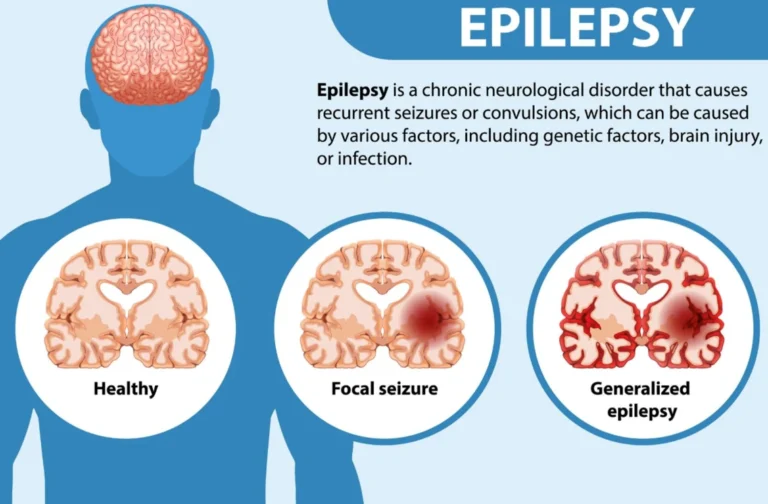
Seizures are temporary disruptions of electrical activity in the brain, which can manifest in various ways, from subtle changes in awareness to dramatic convulsions. When a person experiences recurrent, unprovoked seizures, they may be diagnosed with epilepsy. Living with seizures can be challenging, impacting daily routines, work, school, and social life. However, with the right information and support, effective management is often within reach.
Unmasking Seizure Triggers: What to Look For
While seizures can sometimes occur without an obvious cause, many individuals find that certain factors can increase their likelihood of having a seizure. Identifying and understanding these ‘triggers’ can be a powerful tool in managing the condition. It’s important to remember that triggers are highly individual, and what affects one person may not affect another.
Common seizure triggers can include:
- Sleep Deprivation: Lack of adequate sleep is a frequent trigger for many.
- Stress: High levels of emotional or physical stress.
- Illness or Fever: Infections or elevated body temperature.
- Missed Medication: Inconsistent adherence to prescribed anti-seizure medications.
- Alcohol or Drug Use: Certain substances can lower the seizure threshold.
- Flashing Lights: In some cases, specific light patterns can induce seizures (photosensitive epilepsy).
- Hormonal Changes: Fluctuations during menstrual cycles or pregnancy.
- Dehydration or Poor Nutrition: Skipping meals or not drinking enough fluids.
Keeping a seizure diary to track potential triggers alongside seizure occurrences can provide invaluable insights for you and your neurologist. For more detailed information, you can explore resources on Seizure Triggers.
Modern Management Options: Hope and Progress
The landscape of seizure and epilepsy management has evolved significantly, offering a range of options tailored to individual needs. The goal of treatment is typically to achieve seizure freedom or significantly reduce seizure frequency with minimal side effects, thereby improving quality of life.
- Anti-Seizure Medications (ASMs): These are the most common first-line treatment. A wide variety of medications are available, and your neurologist will work with you to find the most effective one or combination.
- Lifestyle Adjustments: Managing triggers, ensuring adequate sleep, reducing stress, and maintaining a healthy diet are crucial complementary strategies.
- Dietary Therapies: For some, particularly children, specialized diets like the ketogenic diet may be recommended under medical supervision.
- Advanced Therapies: When medications are not fully effective, options such as vagus nerve stimulation (VNS), responsive neurostimulation (RNS), or even epilepsy surgery may be considered. These are highly specialized treatments evaluated on a case-by-case basis.
Working closely with a specialized neurologist is key to developing a personalized treatment plan.
The NRPI Difference: Your Partner in Care
At NRPI, located in Edinburg TX, we understand the unique needs of families in the Rio Grande Valley. We are dedicated to providing comprehensive, compassionate care for individuals living with seizures and epilepsy. We offer advanced diagnostic services, personalized treatment strategies, and ongoing support, ensuring you receive the highest standard of neurology care close to home. Our commitment is to help you navigate your condition with confidence and achieve the best possible outcomes.
Living with seizures is a journey, but it’s one you don’t have to take alone. By understanding potential triggers and exploring the modern management options available, South Texas families can find hope and effective solutions. Our team at NRPI is here to provide the support, guidance, and advanced treatment you deserve.
This article is for general educational and informational purposes and isn’t a substitute for personalized medical advice, diagnosis, or treatment. Seizures and epilepsy can affect individuals differently, and treatment and management should be determined with a qualified healthcare professional based on each person’s individual circumstances. If you have concerns about seizures, epilepsy, medications, or your neurological health, please consult a neurologist or other qualified healthcare provider. If you or someone else is experiencing a medical emergency, seek immediate medical attention or call 911.